

Best Places to Learn Spanish in Spain (Pros and Cons Guide)
Spain is one of the best countries in the world to learn Spanish. The language surrounds you, the culture is vibrant and people are generally open and social.
But many students ask the same question:
👉 Where in Spain should I go to learn Spanish?
The answer depends on your goals, budget and learning style. Not all destinations offer the same experience.
Let’s look honestly at the best places to learn Spanish in Spain — including their pros and cons.
Madrid
Spain’s capital is often the first option students consider.
✅ Pros
-
Huge cultural offer (museums, events, nightlife)
-
Many Spanish schools
-
International atmosphere
-
Excellent transport connections
❌ Cons
-
High cost of living
-
Many locals speak English
-
Easy to stay in expat environments
-
Less linguistic pressure to use Spanish
Madrid is great if you want a big-city lifestyle. But from a pure immersion perspective, it’s easy to rely on English.
Barcelona
A very attractive and cosmopolitan city.
✅ Pros
-
Mediterranean lifestyle
-
International community
-
Cultural diversity
-
Beach and city combination
❌ Cons
-
Catalan is widely used
-
Higher living costs
-
Many tourists
-
Easy to live in English
For some learners, hearing both Catalan and Spanish can be confusing at the beginning.
Barcelona is amazing culturally, but not always ideal for full Spanish immersion.
Salamanca
Known as a “classic” Spanish-learning city.
✅ Pros
-
Academic reputation
-
University atmosphere
-
Neutral Spanish accent
-
Student-friendly city
❌ Cons
-
Highly competitive school market
-
Many short-term international students
-
Less cultural variety than southern Spain
-
Some programs feel standardized
Salamanca is a solid option, especially for academic learners, but it can feel very “student bubble”-oriented.
Málaga & Coastal Cities
Popular for lifestyle learners.
✅ Pros
-
Great weather
-
Relaxed lifestyle
-
International communities
-
Beach environment
❌ Cons
-
Tourism-heavy
-
English widely spoken
-
Seasonal crowds
-
Higher accommodation costs in tourist areas
Great for combining vacation and study, but immersion can be limited.
Andalusia as a Region
Andalusia offers a very different experience.
✅ Pros
-
Deep cultural heritage
-
Warm, social lifestyle
-
Affordable living
-
Strong local identity
-
Authentic Spanish daily life
Spanish is used constantly in social life here.
Yes, there is an Andalusian accent — but students adapt quickly, and it improves listening skills.
Small Cities (Hidden Gems)
This is where many serious learners find the best results.
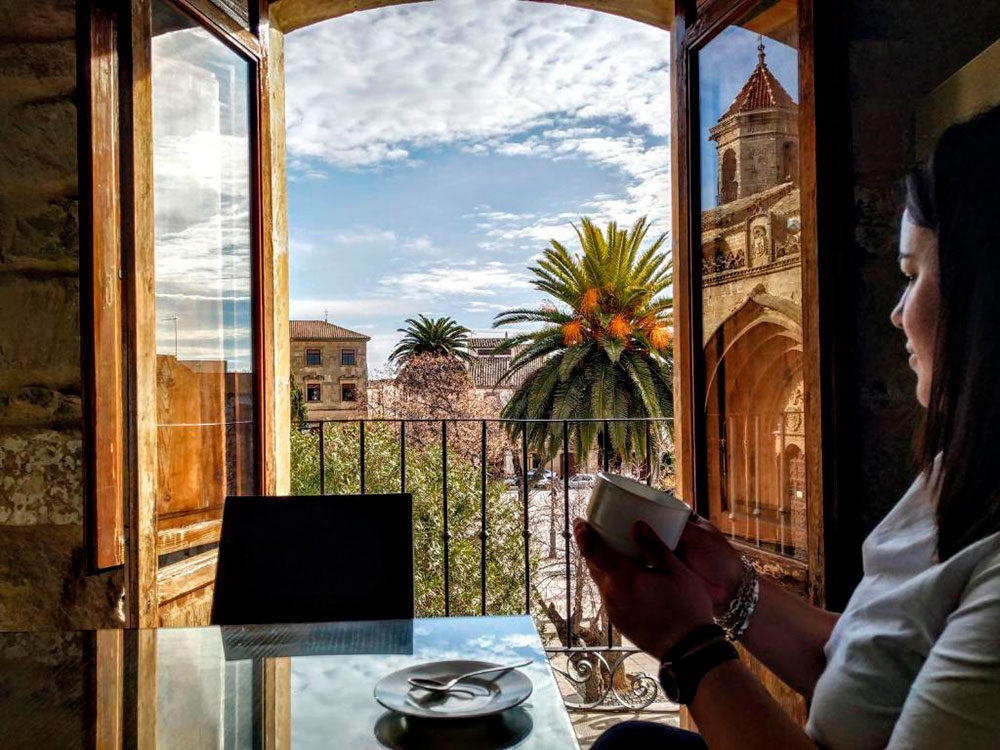
Smaller cities like Úbeda, for example, offer something unique.
✅ Pros
-
Real immersion
-
Fewer tourists
-
Spanish used everywhere
-
Affordable cost of living
-
Personal community connections
-
Authentic cultural experiences
❌ Cons
-
Less nightlife than big cities
-
Smaller international community
But for language learners, these “cons” often become advantages.
You speak more Spanish because you need to.
What Actually Matters Most?
The best place is not the most famous city.
The best place is where you:
-
Speak Spanish daily
-
Interact with locals
-
Feel comfortable practicing
-
Stay long enough to improve
Immersion beats popularity.
Big City vs Small City: The Honest Truth
Big cities offer excitement and entertainment.
Small cities offer:
-
Exposición auténtica al idioma
-
Real-life communication
-
Stronger cultural connection
-
Fewer distractions
If your goal is Instagram photos, big cities win.
If your goal is learning Spanish effectively, smaller cities often win.
Final Thought
Spain is full of great destinations. But the best choice depends on what you want to achieve.
If your priority is:
✔ Fluency
✔ Cultural immersion
✔ Real Spanish life
✔ Faster progress
Then looking beyond the biggest cities might be the smartest decision.
👉 Sometimes the best Spanish is found where tourism is not the main attraction.
